Building an online presence can feel overwhelming when you are navigating technical jargon, design options, and service packages. Whether you are launching a new startup or refreshing an established business, choosing the right web design services is essential for creating a site that converts visitors into loyal customers.
1. What Are Web Design Services?
Web design services encompass the planning, visual design, user experience (UX) optimization, and technical setup required to build a functional website.
Think of building a website like building a house:
- Web Design: The architectural blueprint, interior design, wall colors, and layout. It ensures the house looks visually appealing and flows naturally for people walking through it.
- Web Development: The foundation, plumbing, electrical wiring, and structural framing. It ensures that when you flip a light switch (or click a button), everything works reliably behind the scenes.
Professional agencies or specialists combine both disciplines to deliver a complete, launch-ready platform tailored to your target audience.
2. What Is Included in Professional Web Design Packages?
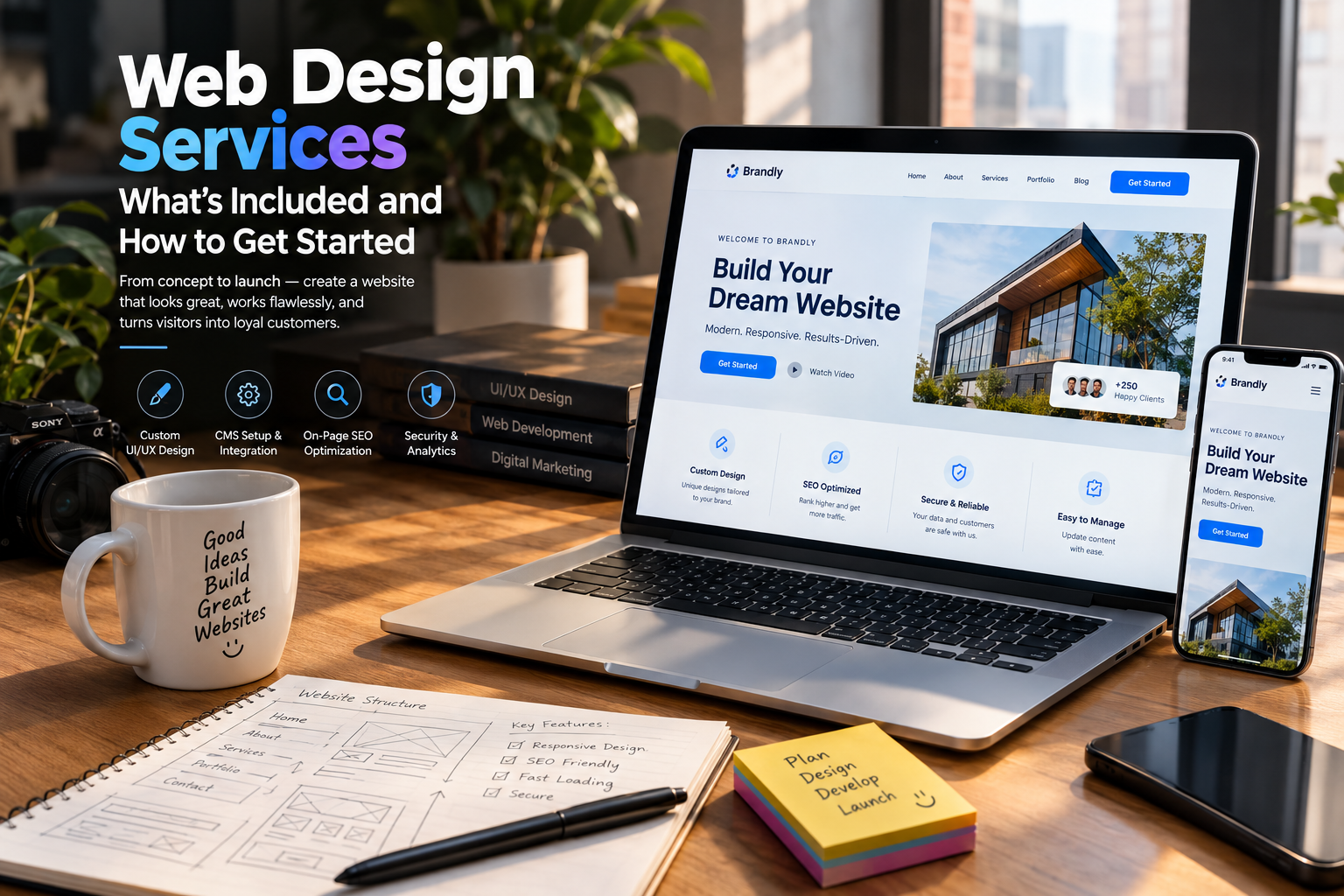
While individual packages vary depending on your project scope, comprehensive web design and development packages typically include five core components:
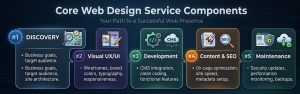
Core Deliverables Breakdown:
- Custom UI/UX Design: Crafting wireframes, page layouts, and mobile-responsive interface elements tailored to your brand identity.
- CMS Setup & Integration: Setting up platforms like WordPress, Shopify, or custom solutions for easy content management.
- On-Page SEO Optimization: Structure, heading tags, metadata, fast loading speeds, and search-engine-friendly URLs.
- Security & Analytics: SSL certificates, basic security protocols, and integration with tracking tools like Google Analytics and Google Search Console.
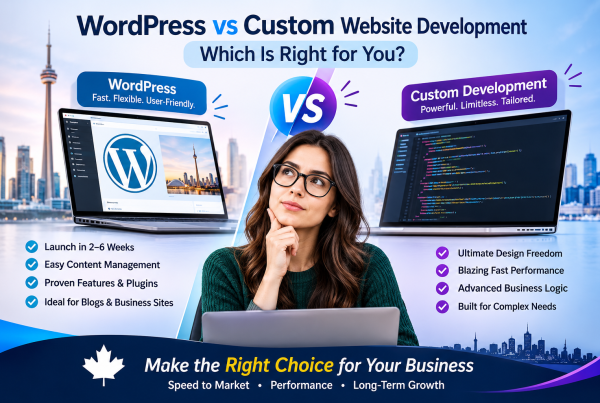
3. Custom Web Development vs. WordPress Website Development
Choosing the right approach depends on your specific goals, budget, and scalability needs. Here is how custom development compares to building on a Content Management System (CMS) like WordPress:
| Feature / Metric | Custom Web Development | WordPress Website Development |
| Primary Use Case | Unique web applications, complex workflows, high-security enterprise sites. | Content-rich blogs, standard corporate sites, e-commerce stores. |
| Flexibility | 100% Tailored: Built from scratch without platform constraints. | High: Dependent on theme capability and custom plugin integration. |
| Time to Launch | Slower: Typically takes 8–16+ weeks due to custom coding. | Faster: Typically takes 3–6 weeks using pre-built architecture. |
| Cost Range | Higher initial investment due to dedicated development hours. | Cost-effective entry point with scalable add-ons over time. |
| Ease of Content Updates | Requires developer assistance unless a custom admin panel is built. | User-Friendly: Simple dashboard allows non-technical teams to edit content easily. |
4. Real-Life Example: Comparing Two Business Approaches
To understand how these options work in practice, let’s look at two real-world business scenarios:
Scenario A: Local Bakery Expanding Online
- The Goal: A local bakery wants to display its daily menu, take catering inquiries, showcase customer reviews, and accept online pickup orders.
- The Solution: WordPress Website Development.
- Why It Works: A structured WordPress site allows the bakery owner to update the daily menu or change holiday hours in minutes from a smartphone, keeping development costs manageable while providing a polished, mobile-friendly interface.
Scenario B: Logistics Company with Custom Client Portals
- The Goal: A regional shipping provider needs a secure platform where clients can log in, track shipments in real time, generate automated compliance documentation, and request custom freight quotes.
- The Solution: Custom Web Development.
- Why It Works: Off-the-shelf templates cannot easily handle proprietary logistics databases or real-time tracking APIs. A custom-built platform delivers the exact technical capabilities required for seamless operations.
5. Web Development Services in Canada: Regional Considerations
If you are looking for web development services Canada or working with North American development teams, consider a few regional factors:
- Bilingual Capabilities: In Canadian markets, offering both English and French language options can broaden audience reach and ensure accessibility compliance across regions.
- Data Privacy Compliance: Websites operating in or targeting Canadian users must adhere to strict privacy laws, such as the Personal Information Protection and Electronic Documents Act (PIPEDA).
- Local Market Nuances: Partnering with regional specialists ensures that design choices align with local consumer expectations and standards.
6. Step-by-Step Guide: How to Get Started
Launching a web design project doesn’t have to be complicated. Following a structured step-by-step process keeps the project on timeline and on budget.
- Define Your Goals & Scope
- Identify the primary purpose of your website (e.g., lead generation, e-commerce, portfolio display).
- List mandatory features such as contact forms, booking calendars, or payment gateways.
- Gather Your Assets
- Collect brand assets including logos, color palettes, high-resolution imagery, and existing brand guidelines.
- Draft core page content (e.g., About Us, Service pages, Product details).
- Select Your Technology Stack
- Decide between a CMS platform or custom coding based on your functionality requirements and budget.
- Partner with the Right Agency or Specialist
- Review portfolios for clean design, mobile responsiveness, and industry experience.
- Ensure clear communication regarding timelines, deliverables, and post-launch maintenance options.
- Design, Test, and Launch
- Participate in review rounds for wireframes and visual designs.
- Conduct thorough quality assurance testing across multiple browser types and mobile devices before going live.
Ready to Build a Website That Drives Real Results?
Don’t let an outdated or slow website hold your business back. Whether you need a cost-effective WordPress website development solution or a completely custom web development build tailored to your exact workflow, our team is here to help.
Frequently Asked Questions
How much do web design services typically cost?
Costs vary significantly based on complexity. Standard small-business websites using platforms like WordPress typically range from $2,500 to $7,500, while complex custom web applications or enterprise platforms can range from $10,000 to $50,000+.
How long does it take to build a website?
A standard 5-to-10-page website usually takes 4 to 8 weeks from initial kickoff to final launch. Larger e-commerce portals or custom web applications may take 12 to 24 weeks depending on feature complexity.
Will my website be mobile-friendly?
Yes. Modern web design services implement responsive design techniques, ensuring your site automatically adapts seamlessly to smartphones, tablets, laptops, and desktop displays.
Will I own my website and domain once the project is finished?
Yes. Upon full payment, you should own 100% of the website design, code assets, database content, and domain registration. Always verify that your contract grants full ownership rights rather than a proprietary platform rental agreement.
Are e-commerce features (like payment collection and inventory) included?
E-commerce functionality can be added to both CMS sites (via extensions like WooCommerce or Shopify integration) and custom builds. Be sure to specify if you need multi-currency options, automated shipping calculations, or specialized payment gateways during the initial discovery phase.